The following is an excerpt from Memoirs of a Coffs Race Addict, written by Angus Gordon, Commodore of the Royal Prince Alfred Yacht Club from 2005 to 2008. In it, Angus shares a vivid account of the origins, characters, and unforgettable moments that have shaped the Pittwater to Coffs Race. We are sharing this on our site to celebrate the rich history of the event and to invite sailors and enthusiasts alike to become part of that story
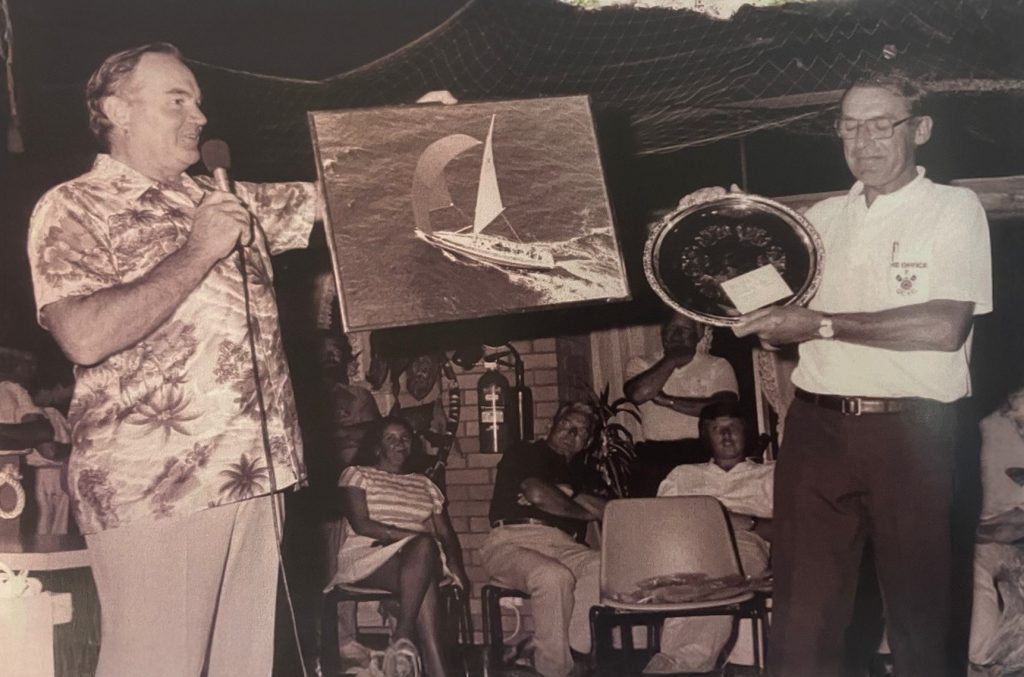
To understand the history of the Pittwater to Coffs race one really needs to go back to 1972. This was the year of inception of the “South Solitary Island Race”; a 490 mile race that was started by Middle Harbour
Yacht Club off Wy-ar-gine Point in Middle Harbour on the 26h December. From the start, the yachts raced North to round South Solitary Island, approximately 10 nm North East of Coffs Harbour, before returning to be finished by the Royal Prince Alfred Yacht Club, just inside Pittwater.
The race was described in “The Alfred’s Navigators Notebook” of September 1981 as: “one of the most demanding races, requiring total confidence in the skills of the navigator due to the rock hopping tactics required to avoid the strong Southerly set and dodge the rocks during the negotiation of the course Northward.” The article went on to say: “The race was not conceived to run in opposition to the Sydney Hobart race, it was established because many owners and crew members could not afford the time required to compete and return to Sydney from Hobart at that time of year.”
In 1972 the line honours winner of the first race was Adrian Alle’s yacht Barbarian. Over the 9 year period in which the race was held, according to the inimitable Jack Gale: “The most consistent performer was the Swanson 32 Harmony skippered by Greg Foster with a crew of oldies who were also shrewdies! They were successful on three or four occasions.” So, the enduring adage: “old age and treachery wins out over youth and enthusiasm every time (almost)”, held true in those days too!
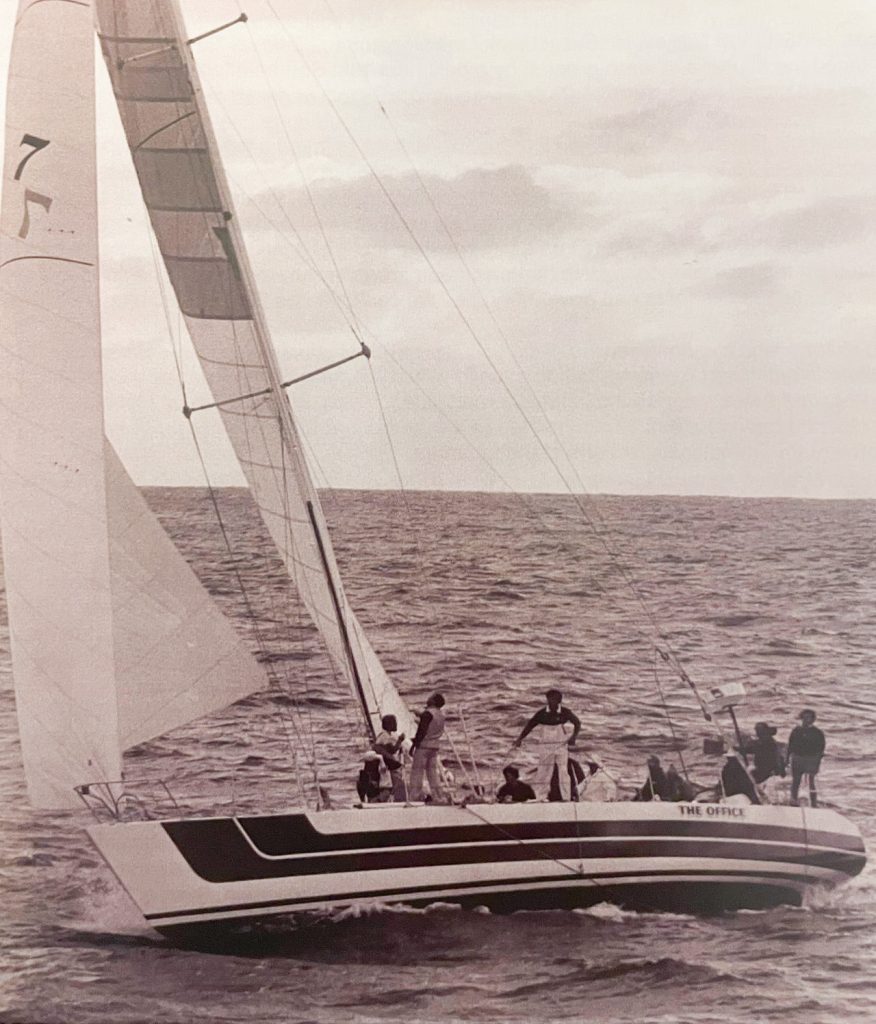
Jack went on to observe: “Although a lot of effort was made to make it [the race] successful, [it] never really got off the ground. We had loyal support from a few of our keen racing members that included Richard Hudson, Jim Robson-Scott, John Quinn, Graham Jones, Steve Merrington, Peter Antill and Max Tunbridge are a few that come to mind.”
Neville Fielding is another name that springs to my mind as Nev still recounts, with that strange fondness that only time can bestow by dulling the memory: “the bash up to South Solitary followed by the run home, and the occasional bash up to South Solitary followed by the bash home into the Southerly; like the 1980 race”. Max Tunbridge also still remembers the 1980 race with an involuntary shudder as he recalls the hard windward work to South Solitary in his 27 foot Bonbridge only to round the island to face a fresh Southerly front that produced a bruising bash to windward again until, half way home, a total “glass out” left his yacht windless and Max wondering why he didn’t just cut his losses and pull into Coffs while he was up that way.
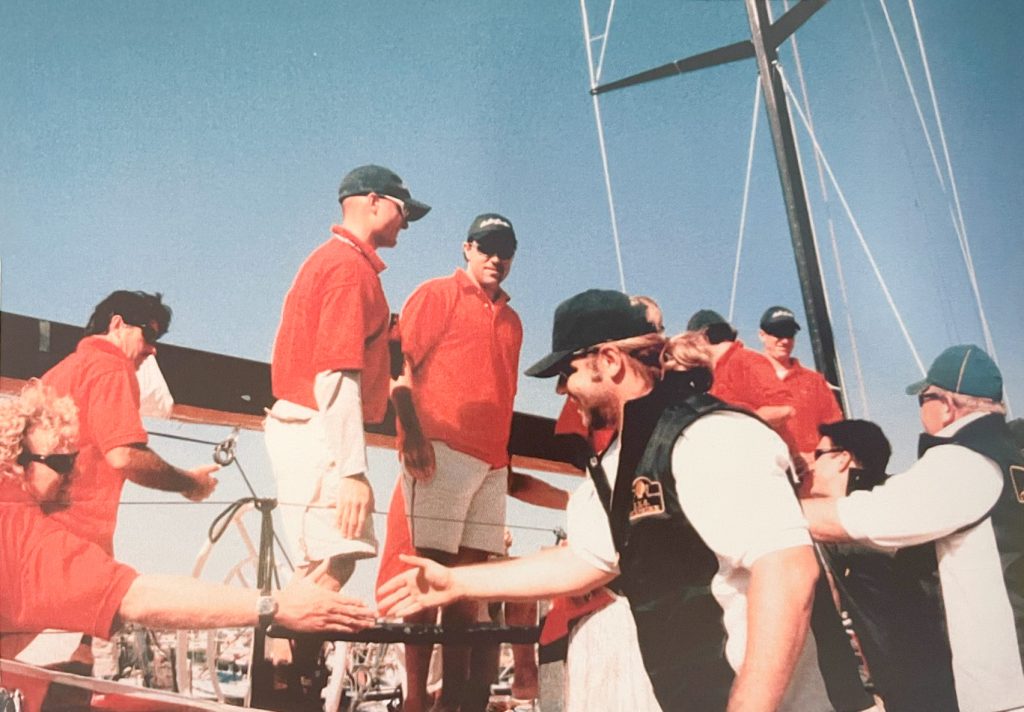
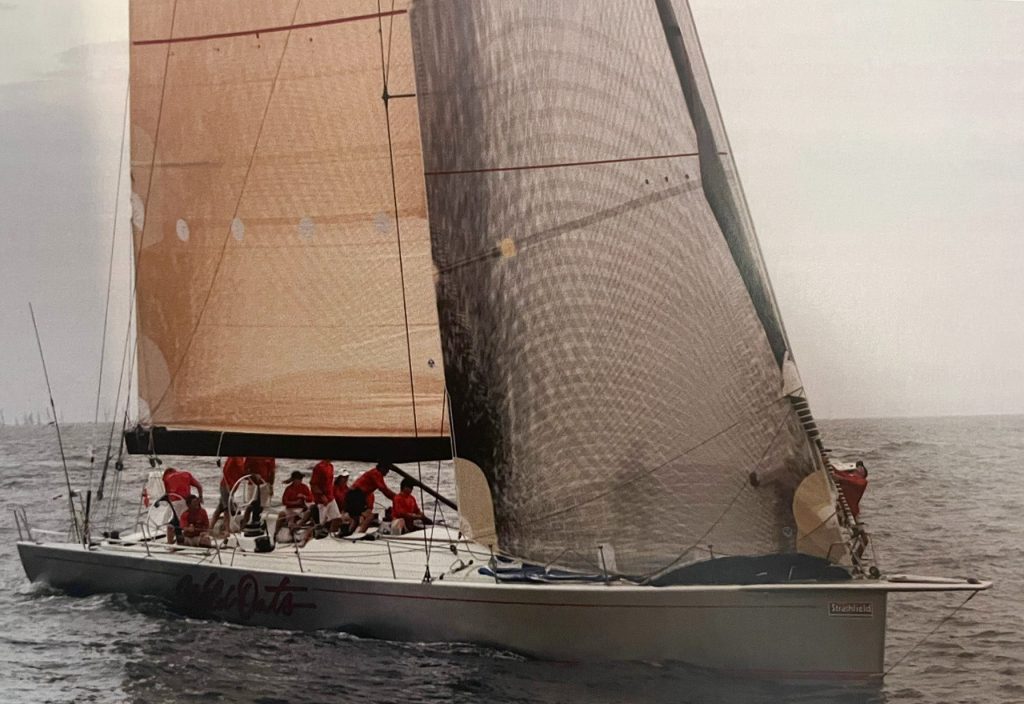
For Richard Hudson, Grahame Jones and Robbie Cole and crew the 1980 race was their first ocean race on their new Dubois 30 foot half tonner, Beach Inspector. For them it was also a very “memorable” race. Beach Inspector was holed at the start and after temporary repairs, which reduced rather than prevented water ingress, set off on the windward work to South Solitary Island.
Having rounded the island they enjoyed a couple of hours downwind running before they ran into a developing Southerly which made for a miserable trip back to the Pittwater finish. As Richard’s rather colourfully recalls: “we were constantly bailing all the way and [crew member] Peter Berry nearly drowned while sleeping below because there was so much water sloshing around”. By the time they reached Pittwater the “breeze” had built to a 40kt Southerly. While Beach Inspector won on handicap that year it will come as no surprise to find the crew became early supporters of the Pittwater to Coffs Race. Subsequently. Beach Inspector was to play a key role in the inception of the race.
The significance in referring to the September 1981 Navigators Notebook article above is that it also stated in that year (1981) the race was programmed to start on Saturday, 26th December, if 10 yachts entered. Well sadly there were insufficient entries so the 1981 race was called off. This meant that the 1980 race, the 9th Solitary Island race, ended up being the last time the event was ever held.
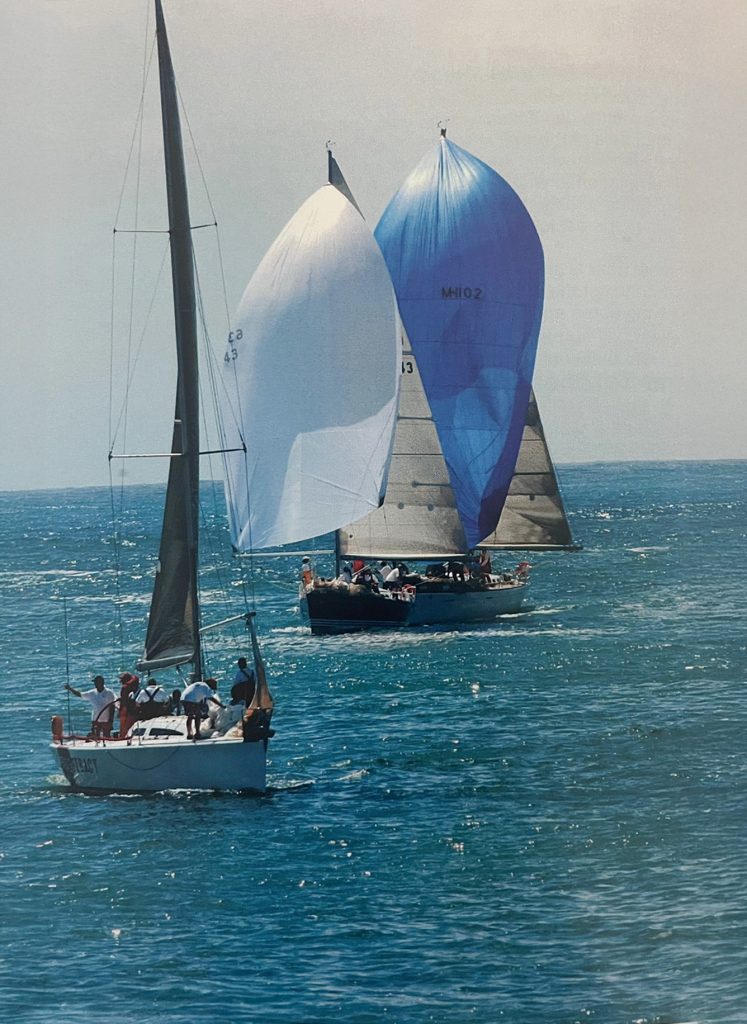
This concludes Angus Gordon’s vivid recollection of the early days of the Pittwater to Coffs Race. From the daring exploits of yachts like Barbarian and Beach Inspector to the unforgettable challenges faced by their crews, the history of this race is as much about adventure and camaraderie as it is about competition. Whether you’re a seasoned sailor or new to ocean racing, participating in the Pittwater to Coffs Race is your opportunity to contribute to a living tradition, to create memories that may one day become part of its rich history. Join us on the water and be part of the next chapter.