By Steve Robson
Sailing the Red Centre
The great thing about our sport is that it takes you to some truly extraordinary corners of the planet. In recent times, I’ve been fortunate enough to sail in St Tropez, cruise around the South West Cape of Tassie into Bathurst Harbour, and even round Cape Horn. But when the rare opportunity arose to sail in the heart of the Australian outback on Lake Eyre? Now that promised to be a genuine, once-in-a-lifetime adventure.
We struck up a conversation with Bob, the Commodore, who dropped an exciting hint: with a torrent of floodwaters making its way down Cooper Creek following a bumper Queensland wet season, they were quietly confident about running a regatta. I stayed in touch after returning to Sydney, and before long, got the green light—the 2026 regatta was officially on.
Gearing Up for the Remote Outback
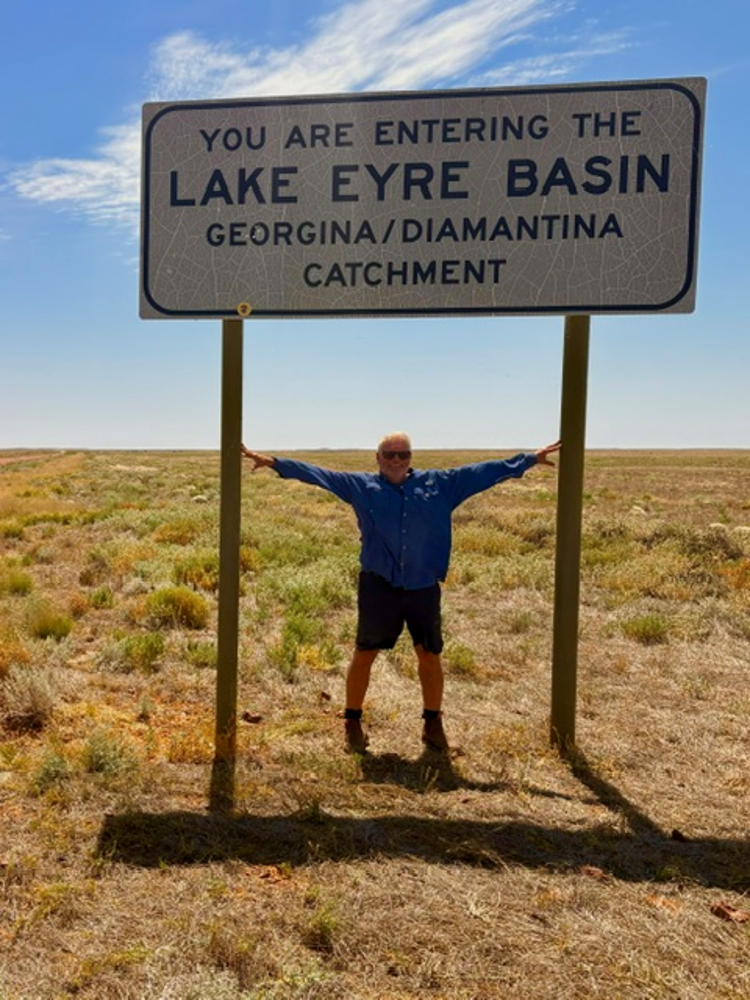
These days, Lake Eyre proper is held under native title, which restricts access to just a couple of entry points. However, the vast Lake Eyre Basin stretches far to the north, fed by a network of massive inland lakes via the Cooper Creek. Deep in the basin and sitting well below sea level, these freshwater expanses offer phenomenal—if fleeting—sailing conditions when the water hits.
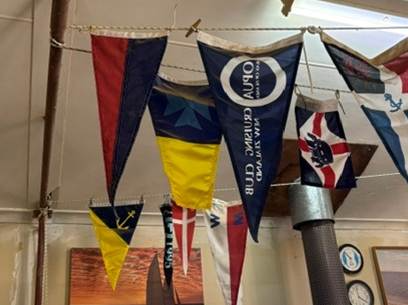
With a 50-year-old timber Mirror, a RPAYC burgee, a trusty 4WD, and a full set of camping gear, I didn’t need much convincing. The main hurdle was finding a partner for the massive 22-hour haul into the interior. Enter JJ—a recently retired mate who had tackled both Capes (Horn and South West) with me in the past. He had the time, the spirit for adventure, and as a keen kayaker, suggested we expand our fleet with three kayaks (two singles and a double) for extra waterbound exploration. Best of all, JJ brought along a stellar collection of French red wine—an absolute game-changer for the nightly campfire rituals under the stars.
The Journey Inland
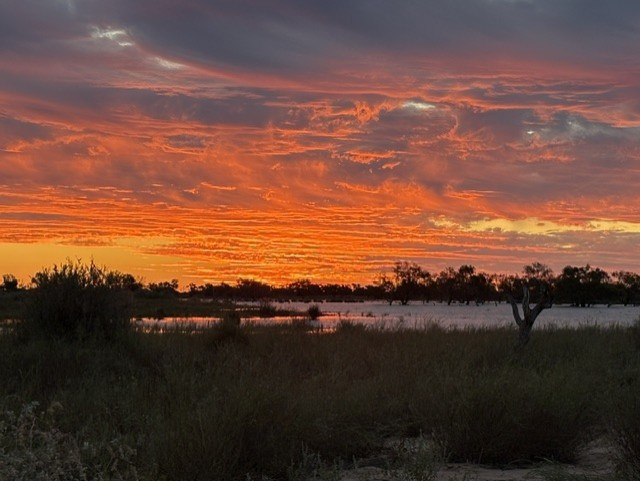
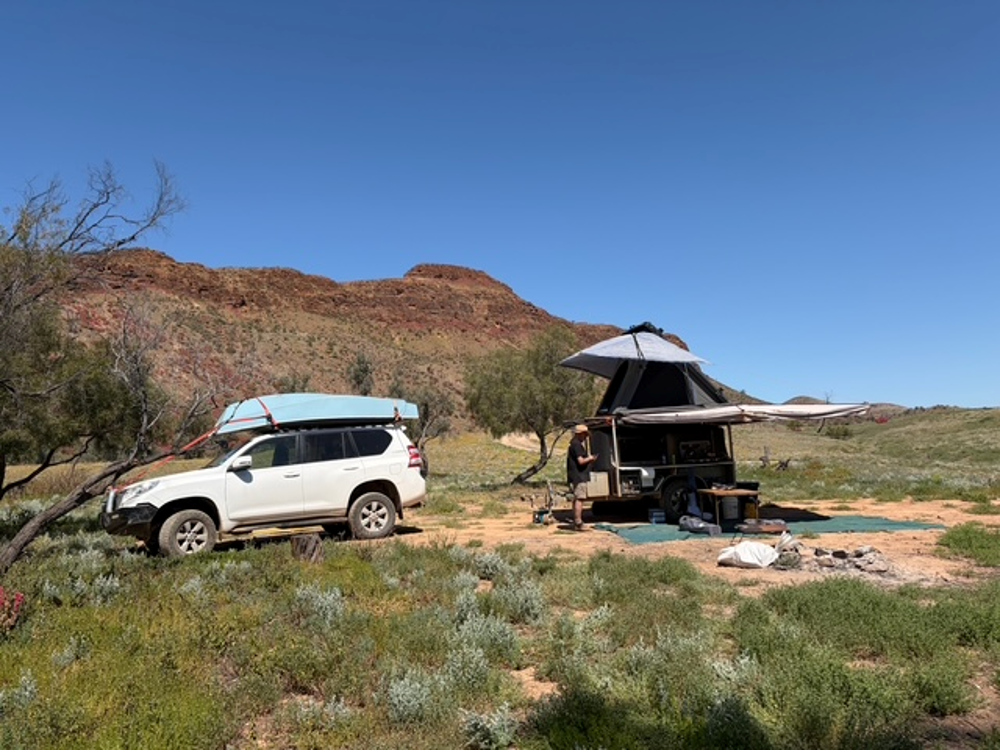
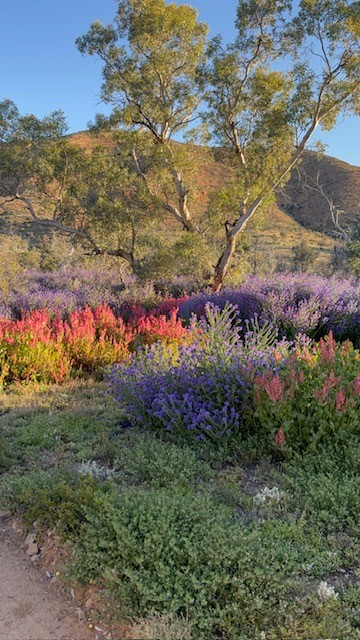
With the landscape primed by recent rains, we took a scenic route through the rugged majesty of the Flinders and Gammon Ranges. It turned out to be an absolute jackpot. Local station owners reckoned it was the best growth in generations; the classic, fiery outback sunsets were dialed up to eleven, framed by a vibrant sea of purple, red, and yellow wildflowers set against verdant gums and iconic red dust. We stretched the trek to Marree over 10 unforgettable days, soaking in the stunning scenery and collecting plenty of classic outback yarns along the way.
Briefing & Safety First
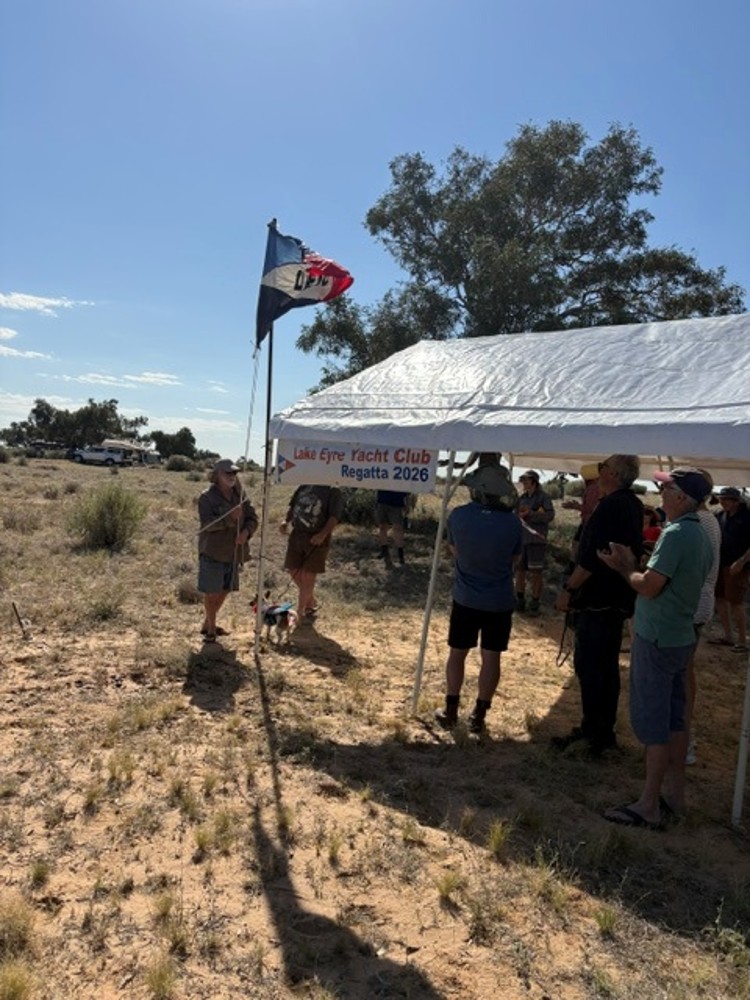
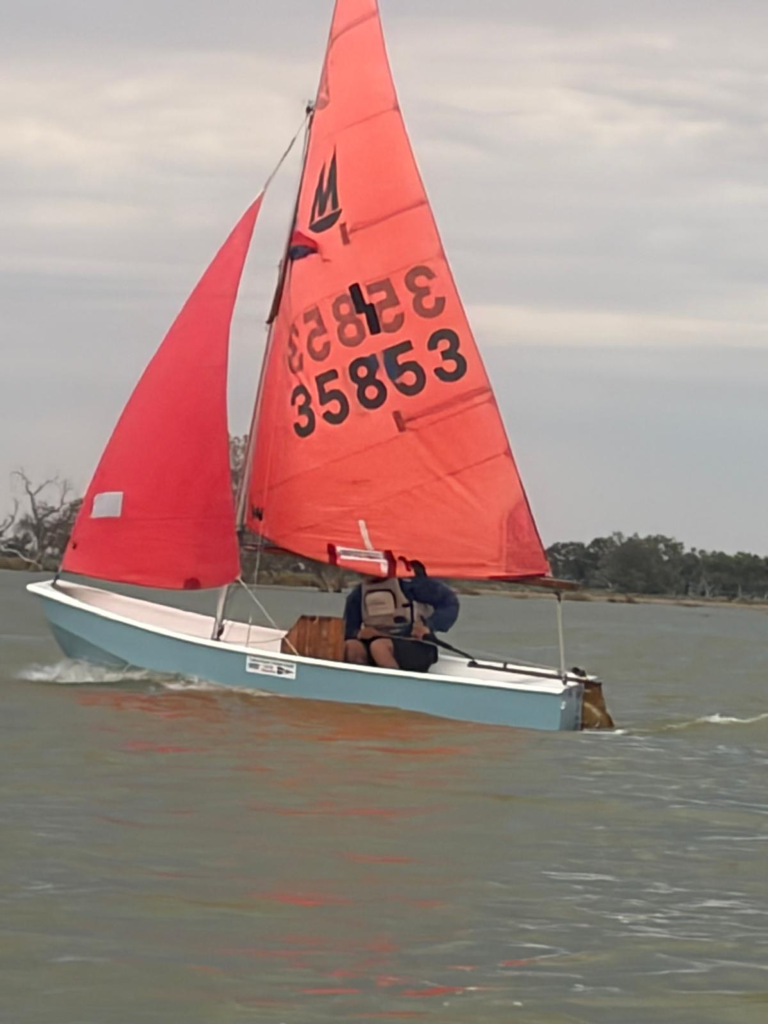
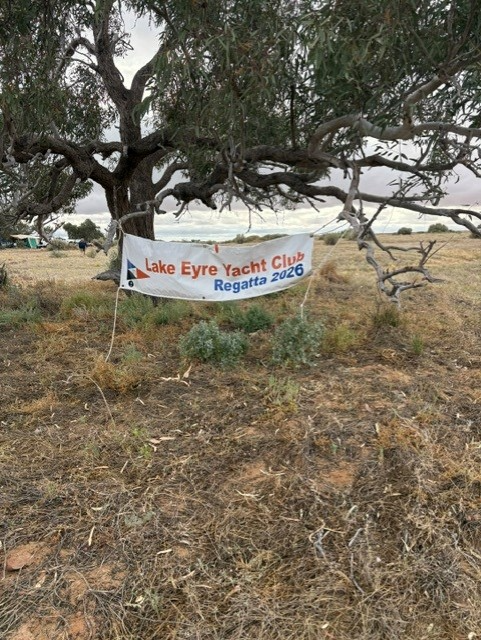
We rolled up to the Lake Eyre Yacht Club on Sunday for the official briefing, joining 31 other vessels of every imaginable shape and size. The fleet ranged from a high-tech, full-carbon A-Class catamaran down to the “slowest” monohull on the water: my trusty timber Mirror, appropriately named Too Far.
The Commodore set a memorable tone right from the opening sentence: “Nobody is to die out there.”
It was a sharp, lighthearted reminder of where we were. While fun and camaraderie were the name of the game, we were venturing into a deeply isolated wilderness with zero local facilities. Off-the-beach boats or not, every vessel was required to carry flares, handheld UHF radios, and brightly coloured safety tape—to be tied to any abandoned boat following a rescue, so recovery crews could identify the crews were safe – negating the need for a search.
Camp Life at Lake Kurmanippella
The following morning, a convoy of roughly 50 vehicles set off up the Birdsville Track, which was technically closed due to the rain. After 150 kilometres of 4WDing through red dirt and some mud, we emerged onto the sandy shores of Lake Kurmanippella (try saying that three times fast!).
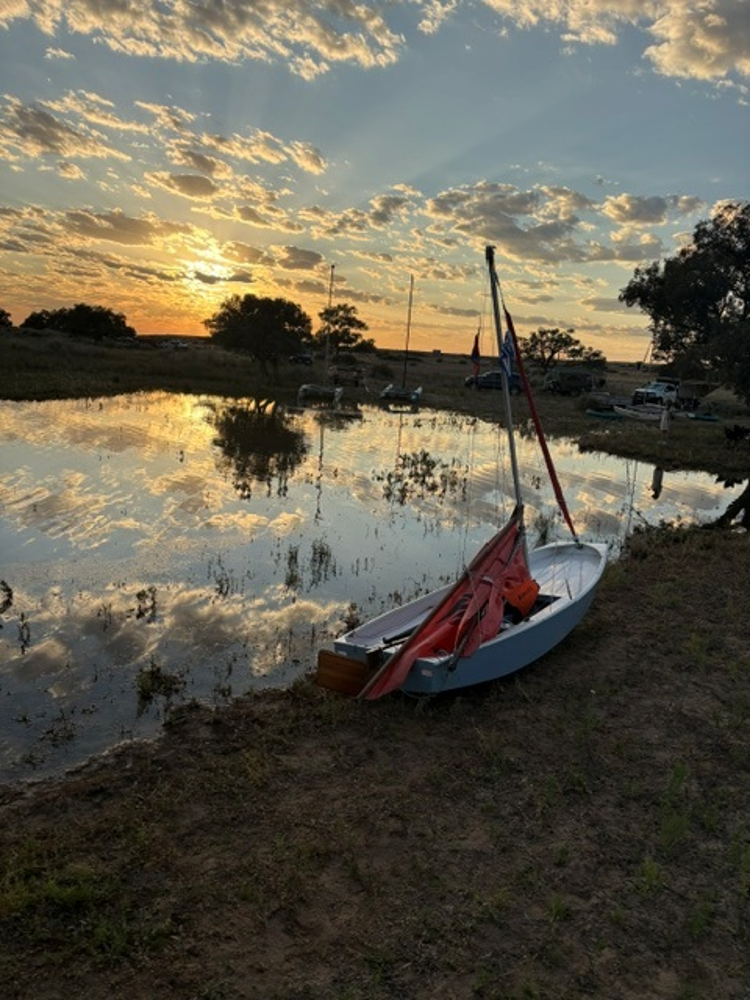
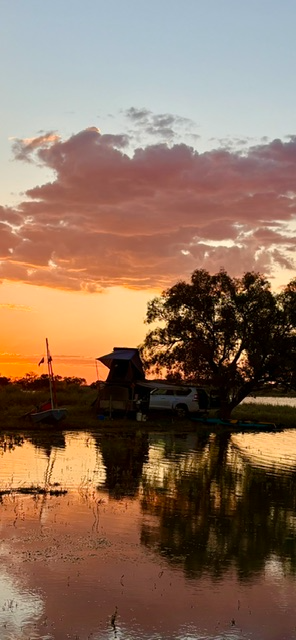
We set up an idyllic bush camp right on the water’s edge under the shade of sprawling coolabah trees. A quick test sail in the afternoon breeze confirmed it: we were set for four days of fantastic outback sailing.
The Racing
The regatta featured three days of racing alongside a dedicated “adventure day”—which included the surreal experience of sailing across a flooded stretch of the Birdsville Track itself!
We quickly learned that reading wind shifts funnelled between desert hills and sand dunes was just as crucial as finding deep water and dodging submerged logs. In those conditions, our vintage timber Mirror proved surprisingly handy; the inevitable chips taken out of our wooden centreboard were a breeze to repair compared to the delicate carbon foils of the A-Class cat.
Though the primary goal for everyone was enjoying the sheer novelty of the location, a healthy dose of “gunwale fever” quickly set in. Before long, we were racing down broad reaches under full canvas, showing off our iconic red sails and bright yellow kite. Too Far was never going to take home scratch honours, but we punched well above our weight on yardstick handicap—and regularly beating an older NS14 across the line and even putting pressure on some of catamarans (who usually had to complete three laps to our two!).
The Grand Finale: The Rear Admiral’s Cup
The event capped off with the legendary Rear Admiral’s Cup—a handicap “stern chaser” start with 20 of the surviving vessels taking to the course. As the first boat off the beach, we discovered the handicapper had cheekily deducted 5 minutes from our start time to bring the “mighty Mirror” back into the pack. It proved prophetic, as we had almost completed our entire first lap before some of the fastest vessels even hit the water!
The start was pure outback theatre: skippers lined up holding the historic Rear Admiral’s Cup, consumed its contents (fortunately empty for the start!), sprinted down the beach to their strategically placed boats, sailed two triangles around the lake, and then sprinted back to grab the mug. Winner takes all.
It all came down to a thrilling final leg between a Laser from Torquay Yacht Club (VIC) and Too Far, with an Arrow catamaran from Darwin closing down on us fast. The “crowd” (all six of them) were screaming for Too Far. We thought we had it in the bag when the leading Laser ran aground on a sandbar and capsized right near the finish—only for the nimble skipper to scramble straight out of the water, sprint up the bank, and snag the mug just inches ahead of the hard-charging Arrow! We were just foiled by a masterclass in beach-landing strategy, but we’ll know the tricks for next time.
The Next Expedition!
With El Niño always lurking, there are no guarantees when these inland lakes will fill again, but I’m quietly holding out hope for another Lake Eyre regatta next season.
If you’re up for a 22-hour road trip, epic campfires under milky-way skies, and what is unarguably one of the most unique and enjoyable sailing regattas around, let me know—there’s always room for another vessel in the RPAYC convoy!